When Is the Best Time to Trim or Cut Trees in Houston, TX?
Keeping your trees healthy and your property safe in Houston, Spring, and The Woodlands starts with proper timing.
While tree trimming might seem like a task you can handle any time of year, local climate and species-specific growth cycles make some months better than others. In this seasonal guide, our owner John Longoria explains when and why to trim or cut your trees—so you can make the most of every season.
Here’s what to expect:
Why Timing Matters for Tree Trimming in Texas
Seasonal Tree Trimming Guide
A Free Downloadable Infographic
Houston-Area Tree Considerations
Expert Tips for Homeowners
Hiring Local Tree Companies vs. National Chains
Why Timing Matters for Tree Trimming in Texas
In Southeast Texas, our trees experience unique stressors: high heat, hurricane threats, and rapid seasonal shifts. Trimming trees at the wrong time can expose them to pests, disease, or weather-related damage.
Seasonal Tree Trimming Guide for Houston, Spring & The Woodlands
Not all tree trimming is created equal—and in Southeast Texas, seasonal awareness is key. The right timing can prevent disease, encourage strong regrowth, and reduce the risk of storm-related damage. But with our region’s unique mix of native species and unpredictable weather, what works in one season may harm in another.
Whether you’re dealing with fast-growing ornamentals in The Woodlands or aging oaks in Houston, this guide outlines the optimal windows for trimming and cutting—so you’re not just maintaining your trees, but helping them thrive year after year.
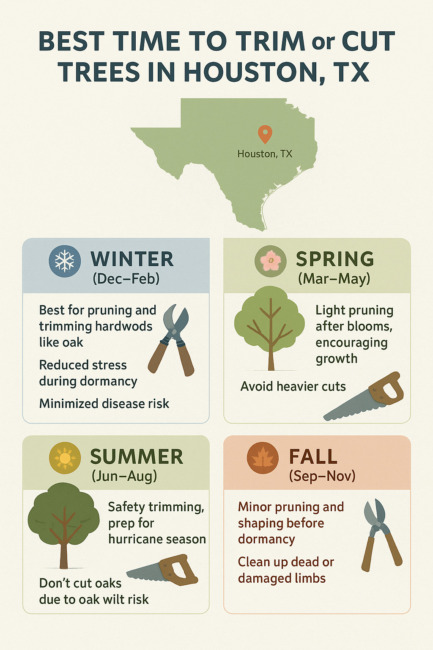
Winter (December – February): Best for Most Major Pruning
Ideal For: Oak trees, hardwoods, dormant pruning Why: Trees are less active, making it easier to spot dead or weak limbs without risking infection from pests or diseases.
Pro Tip: This is the best season to trim live oaks, particularly to avoid oak wilt, a common fungal disease in Texas.
Spring (March – May): Light Maintenance, Post-Bloom Care
Ideal For: Flowering trees, routine touch-ups Why: After blooming, many trees can benefit from shaping and light pruning to support healthy growth into summer.
Avoid heavy cuts this time of year, especially for trees just coming out of dormancy.
Ideal For: Removing storm-damaged limbs, trimming fast growers Why: Houston’s hurricane season starts in June—removing weak or hazardous limbs can protect your home and property.
Warning: Avoid trimming oak trees in summer to reduce the risk of oak wilt spread.
Fall (September – November): Last Chance Clean-Up
Ideal For: Palm trees, shaping, small corrective cuts Why: Fall is your last window before dormancy begins again. This is great for aesthetic maintenance and removing smaller issues before winter.
It’s not the best time for major pruning—save that for winter.
Local Insight: Houston-Area Tree Considerations
When it comes to tree care in the Greater Houston area, a one-size-fits-all approach just doesn’t cut it (literally).
From towering pines in Spring to dense canopies in The Woodlands and sprawling oaks in the heart of Houston, each neighborhood has its own mix of tree types—and its own set of challenges.
Whether you’re trying to stay storm-ready, keep your yard looking clean, or avoid a call from the HOA, understanding the local landscape makes all the difference.
Houston, TX
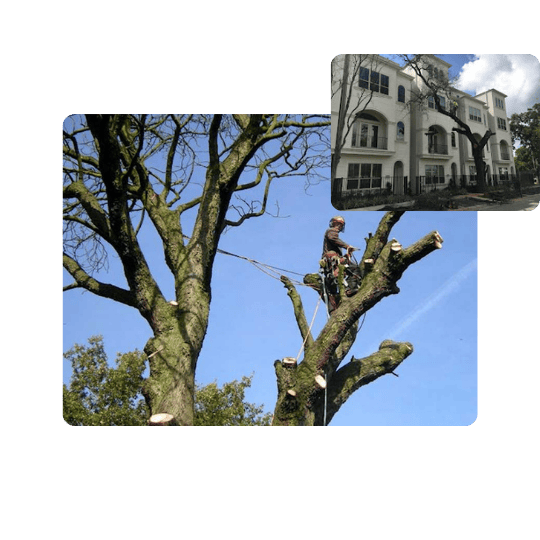
In Houston, you’ll find plenty of live oaks, pecans, and sycamores lining streets and backyards.
These big, beautiful trees love the humid weather, but they can get unruly fast.
With all the moisture and dense development, it’s important to trim them regularly—not just for looks, but for better airflow, fewer storm hazards, and keeping branches away from roofs and power lines.
Spring, TX
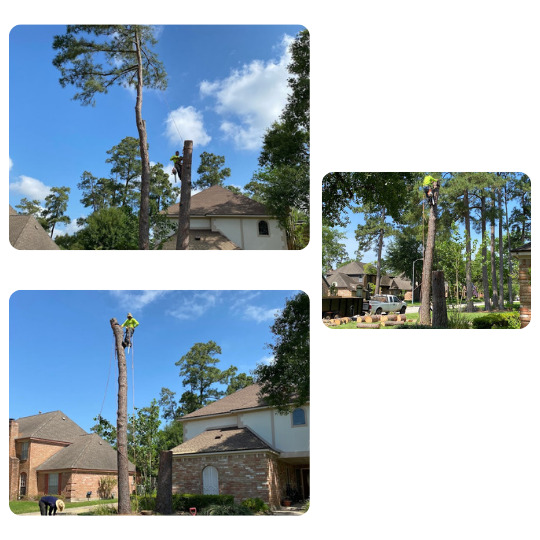
Spring neighborhoods are packed with tall pine trees and flowering ornamentals like crepe myrtles and redbuds.
These trees grow fast in the warm, wet climate, which means they need a little more attention.
A good rule of thumb? Light trimming twice a year helps keep them looking great and prevents broken branches during storms. For pines especially, clearing out lower limbs makes a big difference.
The Woodlands, TX
If you live in The Woodlands, you already know—it’s basically a forest with houses in it.
Between the dense canopy and mix of tall and short trees, regular trimming is a must. Not only does it help with visibility and storm prep, but a lot of neighborhoods also have HOA rules about tree upkeep.
Staying on top of trimming helps you avoid fines and keeps your property looking sharp and safe year-round.
Expert Tips for Homeowners
Hire Certified Arborists
Working with a certified arboristensures your trees are cared for by someone trained in proper trimming, disease diagnosis, and safe removal techniques. Arborists understand how to prune without harming the tree’s long-term health and how to encourage healthy regrowth, structure, and resilience—especially important in regions prone to storms or high winds.
Watch for Warning Signs
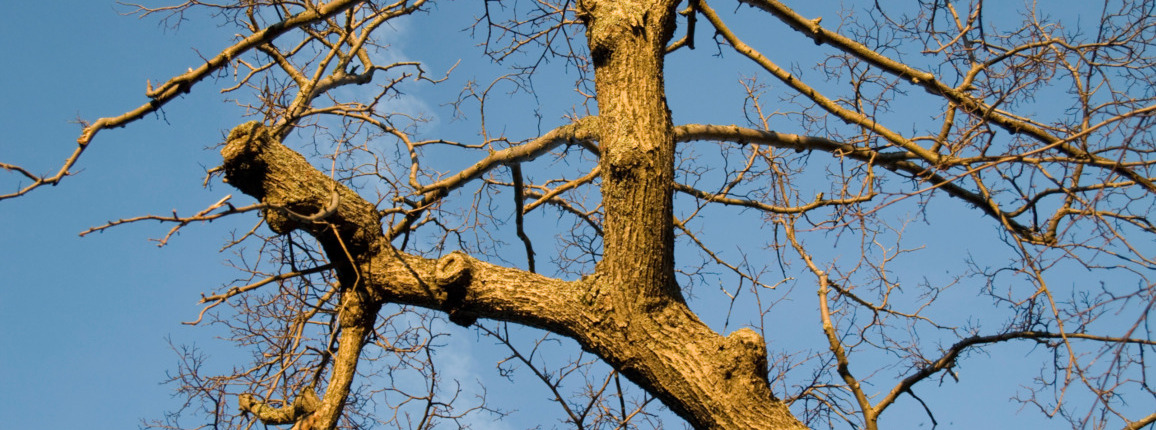
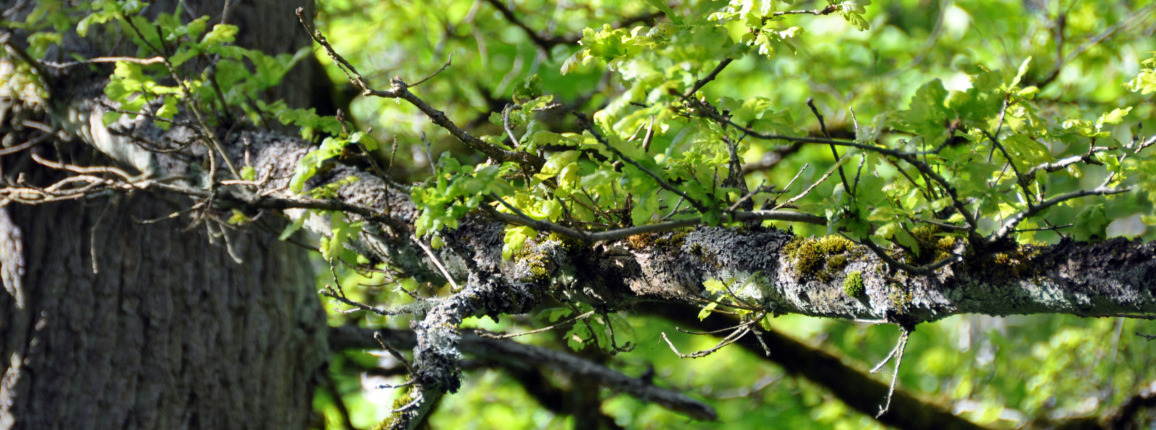
Keep an eye out for issues like cracked or hanging limbs, leaning trunks, peeling bark, or fungus growing near the base. These are all potential indicators of internal decay, root damage, or structural instability. Early detection can prevent more serious (and costly) problems, including property damage or full tree removal.
Avoid DIY Trimming of Large Trees
Trimming large trees without the right safety gear, tools, and knowledge is risky business. Storm-damaged limbs can shift unexpectedly, and improperly cutting large branches can injure you or cause further harm to the tree. Leave high-up or heavy trimming jobs to professionals, especially during storm season when tree stress is at its peak.